Unlocking global access to US dollars
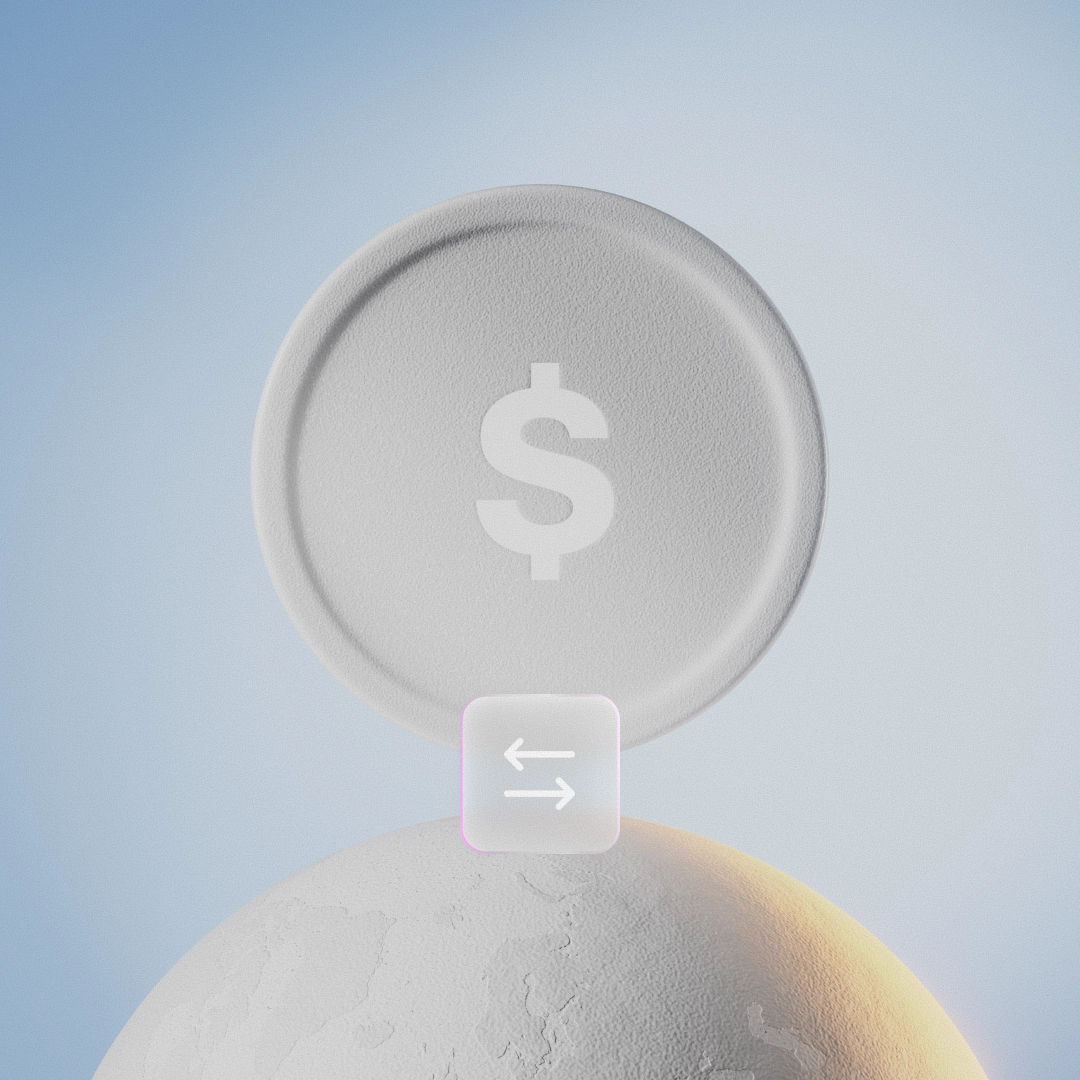
For many individuals and businesses, access to US dollars isn’t a luxury, it’s economically critical.
As the world’s primary reserve currency since 1944, the dollar underpins international trade, cross-border payments, and global capital markets. Today, USD is used in nearly 90% of global foreign exchange transactions and accounts for more than half of global reserves.
The dollar is the backbone of global commerce, yet access is still fragmented. In many markets, there are structural barriers, like limited availability of banking services, capital controls, currency volatility, and slow settlement times.
Stablecoins — digital assets that are backed one-to-one by a fiat currency, typically the US dollar — have emerged as a new tool for gaining exposure to USD. Unlike legacy systems that require banking relationships and intermediaries, stablecoins are borderless and settle instantly.
With stablecoins, overseas contractors can get paid in dollar-equivalents instantly and businesses around the world can hold working capital in USD as opposed to volatile local currencies. Families receiving remittances can avoid losing value to FX spreads and conversion fees when they use stablecoins.
Access is only one part of the equation, though. Holding stablecoins has its benefits, but being able to spend them anywhere is transformative for individuals and businesses. That’s where Rain comes in.
Digital dollars, built for the real world
By connecting stablecoins to global payment networks, Rain enables individuals and businesses to receive, hold, and spend USD value instantly, giving them new ways to access the global economy.
Rain’s platform powers the full flow of money, starting with onramps. Individuals and businesses can convert local currency into digital dollars quickly and compliantly, without navigating complex international banking flows. Rain supports both fiat and digital asset deposits, so users can fund accounts in local currencies via ACH or wire transfer, or with their existing stablecoin holdings.
Once an account is funded, value lives in secure wallets that function like modern digital dollar accounts. Users and businesses can send assets, manage treasuries, or hold value in dollar-equivalent currencies.
Rain-issued cards extend that functionality into the real world. With this payment layer, users can spend stablecoin balances anywhere Visa is accepted, connecting digital dollars to more than 150 million merchants globally.
Contractors can receive funds and immediately use them for daily expenses, minimizing production delays from delayed settlement and transfer. Businesses operating in high-inflation economies can hold value in dollars while still paying vendors locally, and remittance recipients don’t need to cash out when they need everyday essentials; they can spend directly from their balance.
When local currency is preferred, users can convert digital dollars back into fiat through Rain’s offramps. Funds move without the delays and excessive fees that often accompany traditional currency conversions or onchain-to-bank transfers. The result is a full financial loop: move value into dollars, hold stable value, spend globally, and exit seamlessly when needed.
Built natively for stablecoins
Millions of people around the world already hold stablecoins on exchanges and in self-custody wallets, but using these assets for daily purchases and expenses is challenging. The typical process requires moving assets between platforms, converting them into fiat, and waiting several business days before funds can be used.
Rain removes that friction by connecting stablecoin balances directly to global payment infrastructure.
As a Visa Principal Member, Rain issues cards that allow stablecoin-backed accounts to function within the same networks that power global commerce. Transactions work just like any other card payment from the merchant’s perspective, while stablecoin balances operate behind the scenes to power the experience.
The result is familiar for users and merchants while benefiting from the speed and reach of onchain infrastructure.
Digital dollars become immediately usable, not just stagnant value sitting in a wallet.
Expanding access to the global economy
Access to US dollars has historically depended on local banking systems and correspondent bank relationships that vary widely across markets. For many individuals and businesses, these systems create friction rather than opportunity.
Stablecoins introduce a different model. Anyone with internet access can hold and move dollar-denominated value without relying on traditional banking infrastructure. When those digital dollars connect to global payment cards, they become usable in everyday commerce.
Workers can receive international payments and spend them immediately. Businesses can manage treasury in stable currency while continuing to operate locally. Families sending money across borders can preserve more of what they transfer.
Rain brings these capabilities together through infrastructure designed for stablecoins and connected to global payment networks. The result is simple but powerful: digital dollars that are not only accessible, but usable anywhere people already spend.
If you’re ready to explore how stablecoins can power global access to dollars for your business, let’s talk.